
40 Best Idle Games for Android and iPhone — Clicker, Incremental, and Idle RPG Games
 Anastasiia Sokolova
The best idle games for Android and iPhone keep working while you live the rest of your day — riding the bus, sitting in a meeting, or asleep. You tap a little, set up a system, close the app, and come back to a pile of progress you didn't have to grind for. That single loop covers a huge range of games, though, and most "best idle" lists blur them all together. This one sorts 40 picks into the shapes players actually search for: hero-collecting idle RPGs that fight for you, clicker and incremental games in the Cookie Clicker lineage, money-printing tycoons, deep premium titles that never nag you for cash, and cozy games you can leave running on the shelf.
The list covers both free-to-play games and premium alternatives, with monetization varying from one entry to the next. It focuses on native releases for Android, iOS, or both, rather than browser-only games. Not every pick is available on both platforms, and mobile editions can differ from their PC counterparts.
Ten that stand out if you want to skip straight to the highlights: Melvor Idle, Cookie Clicker, Egg Inc, AFK Journey, AdVenture Capitalist, Universal Paperclips, Idle Miner Tycoon, Tap Titans 2, Antimatter Dimensions, and Legends of IdleOn. The rest, grouped by what they actually do, are below.
Idle and AFK RPGs
The busiest corner of the genre. These are the games you fire up when you want heroes leveling, gear dropping, and a story ticking over without holding your hand on the screen. Many AFK RPGs automate combat and accumulate idle rewards while you are away, but clearing new campaign stages usually still requires you to return and manage your team. Most are free with gacha-style hero pulls, so the appeal is collection and team-building; the ones below are the deepest and best-run of the bunch, with a note on how hard each one pushes its wallet.
AFK Journey

AFK Journey, Lilith's follow-up to AFK Arena, trades the flat menus of old AFK RPGs for a hand-painted open field you can actually explore between battles. You assemble a squad of heroes, slot them onto a grid where terrain and positioning matter, and let auto-combat resolve the fight while you plan the next team. Seasons introduce new regions and mechanics, with seasonal progression resetting between them. Permanent hero investment carries over, so a new season does not put newcomers and veterans on equal footing. It's the best-looking game on this entire list, and the open-field exploration, the roguelike Arcane Labyrinth, and generous early pulls make it an easy front door to the whole category. The catch is the usual one for a modern hero collector: the deepest character investment eventually asks for money, so treat it as a beautiful game to enjoy at your own pace rather than a leaderboard to chase.
AFK Arena

AFK Arena helped popularize hero-collecting idle RPGs. In the classic game, you assemble a five-hero formation from multiple factions, clear campaign stages, and collect AFK rewards while you are away, then spend those resources on levels and ascensions. What made it a phenomenon was the presentation — storybook art, faction-versus-faction combat, and a steady drip of side modes like the Arcane Labyrinth and the peak-difficulty towers. It leans harder on its store than its successor, and top-tier progress rewards spenders, but the early and middle game is remarkably playable for free and remains the reference point every other idle RPG gets measured against.
Idle Heroes

The veteran of the category, steadily running since 2016 and still pulling a devoted crowd. Idle Heroes is all about the long game: collecting heroes, using duplicates to improve them, and building a strong six-hero lineup for modes such as Aspen Dungeon and other PvE challenges. It looks its age next to the newer painterly RPGs, but the depth of its progression is exactly why people stay — there's always another fusion, another artifact, another power spike to plan around. Few idle RPGs pay off a multi-year grind the way this one does, and its crowd rarely drifts away.
Legends of IdleOn

An idle MMO built by one developer, and one of the most generous games on this whole list. Instead of babysitting a single hero you unlock a roster of characters and park each on a different job — one mining, one fighting, one cooking, one catching bugs — so your entire account grows at once, even offline. IdleOn supports cross-platform progress between mobile and PC, and its systems keep unfolding into a deep progression web. It is free to play, but optional purchases and companions can provide substantial progression advantages. If the phrase "idle game with actual meat on it" appeals to you, this is where to start.
Almost a Hero
Almost a Hero is the idle RPG that flat-out refuses to take itself seriously. You take a cast of hopeless, useless idiots and slowly turn them into something resembling heroes, tapping to attack and spending idle gold on upgrades while their personalities carry the writing. Behind the jokes is a surprisingly meaty progression system — rings, artifacts, trinkets, pets, and a prestige loop that keeps the numbers climbing. Reach for it when you want the collect-and-upgrade rhythm of the genre without the po-faced fantasy seriousness.
Legend of Mushroom

A breakout hit that leaned hard into pure, fast dopamine. In Legend of Mushroom you start as a little mushroom and balloon into an absurd cosmic powerhouse, sprouting wings, gear, and skills as the auto-battles fly by. Progress is quick and constant — there's always a button glowing, a power-up ready, a new tier to break into — which is exactly why it pulled in such a huge audience. It's free and aggressive with its offers, so keep a hand on your wallet, but as a snackable idle RPG that showers you with upgrades, it delivers.
Ulala: Idle Adventure

Ulala: Idle Adventure wraps its progression in a cheerful Stone Age MMO. You and your party of cavefolk hunt dinosaurs, tame pets, and level up together, the fights resolving on their own while you socialize, join a tribe, or chase collectibles. What sells it is how social and low-pressure it feels — as much like hanging out in a world as optimizing a spreadsheet, and the prehistoric setting hands it a flavor most idle RPGs lack. Bring friends along and it turns into a proper hangout with auto-battling attached.
Hero Wars: Alliance

You have almost certainly seen its ads, and the real game is a far more straightforward idle hero-collector than those puzzle clips suggest. Hero Wars: Alliance has you build a five-hero lineup, level them through an auto-battling campaign, awaken Titans as a second army, and grind gear across a sprawling pile of modes and events. It's a people's-champion gateway into the genre — easy to pick up, endlessly expandable — and while the endgame guilds and PvP reward spending, the core campaign is a perfectly good time on its own.
Summoner's Greed
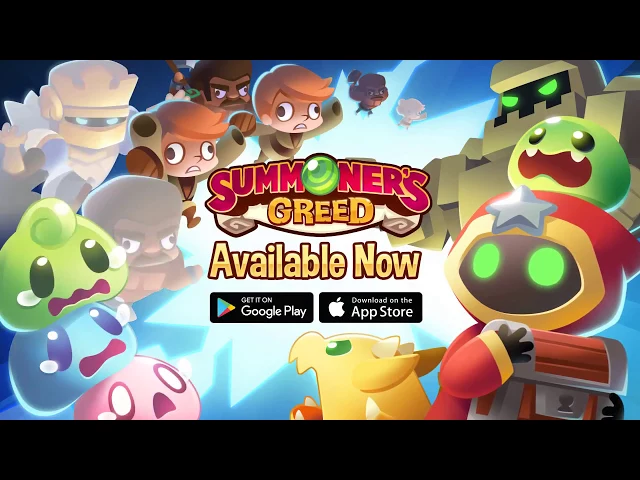
Summoner's Greed is a clever flip on tower defense that goes idle the moment you set it down. You play the villain, guarding the King's stolen treasure while endless waves of heroes try to take it back, defending by summoning monsters onto the field. Left alone, your creatures keep farming rewards and gold; come back and you're summoning new monsters, upgrading and evolving them, and reshaping your defense. Light, funny, and quick to grasp, it's the most action-flavored entry here and a nice palate cleanser from menu-driven RPGs. As a mobile tower-defense hybrid, it also slots in neatly with the best mobile strategy games.
Clickers and Incremental Games
This is the genre's beating heart — the games that grew out of Cookie Clicker, where a single tap becomes an economy and the real joy is watching a number outgrow your ability to read it. Clickers reward the first tap; incremental games reward the system you build. Expect prestige resets, unlocks that rewrite the rules mid-run, and the thrill of breaking a wall that looked impossible an hour ago. If games like Cookie Clicker are your thing and the pull itself fascinates you, there's a feature on why idle games are so addictive.
Cookie Clicker
Cookie Clicker helped popularize the genre and remains one of its defining games. You bake a cookie by clicking a giant cookie, then plough your cookies into grandmas, farms, mines, factories, banks, temples, and increasingly deranged machinery that bakes for you, until you're producing quadrillions per second and the game becomes an economy you can only nudge. What keeps it a classic years of imitators later is the writing and the sheer weirdness — the grandmapocalypse that turns your sweet old bakers into something out of a horror film, the golden cookies you scramble to click for huge bonuses, the drip-fed lore, and a heavenly-chip prestige system that banks your entire run into a permanent head start on the next one.
The official Android app retains the core building, upgrade, achievement, and prestige loop, but it is not a feature-complete port of the browser or Steam edition. Sugar lumps and minigames are among the missing features. Android players can choose between a free version with ads and a separate paid, ad-free edition; there is no official native iOS app. If you only ever play one clicker, make it this one.
Tap Titans 2

Tap Titans 2 slides an RPG skeleton under the tapping. You are the Sword Master, tapping to slay a parade of titans, hiring heroes to deal damage for you, and prestiging over and over to climb into ever-higher stages. The hook that gave it staying power is the clan system: you and dozens of other players team up to batter a shared raid boss, which turns a solitary tapper into something social and competitive. Deep skill trees, pet companions, and a constant stream of events give it far more to chew on than its one-thumb pitch suggests.
Realm Grinder
Where clicking meets real strategy. In Realm Grinder you rule a tiny kingdom and pledge to rival factions — fairies, elves, and angels on the good side, goblins, undead, and demons on the evil — each one rewriting how your economy works, some rewarding active spellcasting and others near-total automation, with stranger hybrid allegiances to unlock later. Casting spells, timing your abilities, and reincarnating to open new combinations turn what looks like a simple tapper into a puzzle box theorycrafters have been taking apart for years. One of the deepest games in the category, and a favorite of players who like their idle games to make them think.
Antimatter Dimensions
Antimatter Dimensions is the purest expression of what an incremental game can be. There's no art to speak of, just numbers — eight dimensions, with each higher tier producing the one below it and the first producing antimatter, until you reach Infinity, then a reset into a bigger framework, and a reset of that into a bigger one still. It sounds dry and it's completely gripping, a masterclass in the "one more unlock" pull that keeps rewriting its own rules the moment you master them. It runs happily in the background, never shoves an ad in your face, and gets held up again and again as one of the best mobile incrementals ever made.
Exponential Idle

Exponential Idle smuggles a surprising amount of real mathematics into an incremental. You push a single equation forward, unlock "theories" that each open a fresh sub-game of progression with its own curves to optimize, and prestige for the currency that cracks the next barrier open. It sits at the thinking end of the genre — closer to a puzzle about growth rates than a game about mashing a button — and it rewards anyone who actually likes watching a formula bend upward. Best of all it plays clean: free, no forced ads, no pay-to-win, with a small paid tier that skips grind rather than buying power. The one to reach for when the flashier clickers feel too shallow.
Idle Slayer
Idle Slayer is part endless runner, part incremental, and more generous than it has any right to be. Your hero auto-runs across a side-scrolling field, cutting down monsters and scooping coins while you decide when to prestige for permanent power and how to spend it across a sprawling upgrade web. Ascensions, mythical items, and mini-events keep the loop from going stale, and the developer's light-touch monetization has earned real loyalty. Proof that an idle game can carry motion and character instead of just a rising counter.
10 Billion Wives

A small, strange classic from the golden age of clickers, charming despite the eyebrow-raising premise. You tap to generate love, spend that love to marry wives, and every wife you wed generates more love of her own, snowballing one romance toward the ten-billion mark in the title. It's short, it's funny, and it knows exactly what it is — proof that the best idle games are often one silly idea taken all the way to its ridiculous end. Pixel art and deadpan humor give it a presence far bigger than its file size, which is why it still turns up on "best idle" lists years on.
Idle Champions of the Forgotten Realms
Idle Champions of the Forgotten Realms is an officially licensed Dungeons and Dragons idle game with real tactical bones. Rather than one hero you build a formation of champions pulled straight from D&D novels and campaigns, and where you place them matters — front-liners tank, back-liners buff, and each champion's abilities chain into the others for damage spikes. It battles through waves on its own, but optimizing your lineup is a proper puzzle, and a steady run of free events and crossover characters keeps the roster growing. Tabletop fans feel right at home, and anyone who wants strategy under the automation gets plenty of it.
Idle Tycoons and Business Sims
Capitalism, the video game — over and over, in the best way. These are the idle games about building an income machine: start with one shabby business, buy managers to automate it, reinvest the profits, and reset for multipliers when the numbers stall. The fantasy is watching a lemonade stand or a single mine shaft grow into a global empire that prints money while you sleep. If you searched for an idle tycoon or an idle miner game, this is your aisle.
AdVenture Capitalist
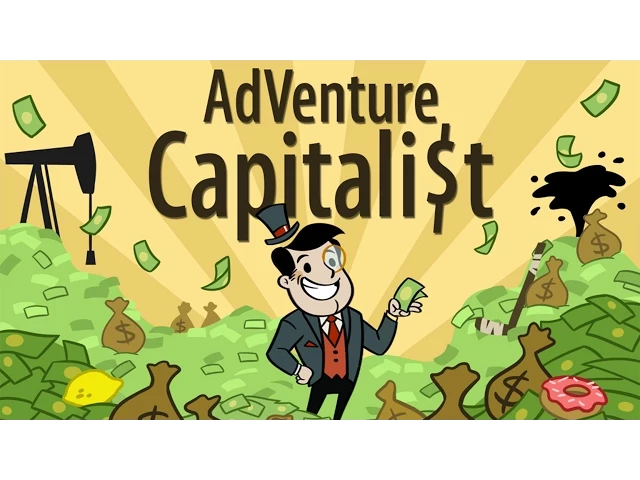
AdVenture Capitalist defined the template, and it's still the game most people picture when they hear "idle game." You open a lemonade stand, click to sell the first cup, then buy a manager so you never have to click it again — and repeat that leap across newspaper routes, car washes, pizza chains, shrimp boats, oil companies, and eventually entire off-world colonies on the Moon and Mars. The genius is in the pacing: milestone bonuses land right as a business starts to feel slow, and the angel-investor prestige system lets you cash in your whole empire for a permanent income multiplier exactly when growth stalls, so there's always a reason to push a little further before you reset. Shamelessly, brilliantly moreish, it's the on-ramp that pulled a generation of players into the genre, and the yardstick every other idle tycoon still gets measured against.
AdVenture Communist

AdVenture Communist is the same studio's satirical mirror image, swapping free-market lemonade for a five-year plan. Here you grow the motherland's output of potatoes, comrades, and weapons, managing a supply chain of workers you promote up a ranked hierarchy rather than plain money multipliers. The tongue-in-cheek Soviet framing hands it a distinct flavor, and the systems underneath run just as deep as its capitalist sibling — different enough in structure that fans of one tend to keep the other installed too.
Idle Miner Tycoon

Idle Miner Tycoon is the flagship of the automate-everything school. You run a mine, hiring managers to keep the shafts digging, the elevators hauling ore up, and the warehouse selling it off, then expand across continents and take on special mines as the operation grows. What sets it apart is how good the logistics feel — a deep shaft that out-produces a slow elevator creates a real bottleneck, and smoothing that pipeline into a clean, humming flow is an optimization puzzle you'll catch yourself fussing over. Managers with special perks, prestige resets, and a steady stream of events give it months of runway. Easy to start in a minute and deep enough to keep tinkering with long after, it's the tycoon most players graduate to once AdVenture Capitalist has hooked them.
Idle Theme Park Tycoon

Idle Theme Park Tycoon is for anyone who ever wanted their own amusement park without the spreadsheets. You place rides, snack stands, and attractions, watch tiny visitors pour through the gates, and reinvest the ticket money into bigger and flashier draws, all of it ticking along in the background while you're off doing something else. It shows more visual life than the average money-counter — you actually watch the park fill in, ride by ride — and unlocking fresh themed parks keeps a steady sense of forward motion. Reach for it when you want to build something you can see rather than just a rising bank balance.
Dungeon Inc.
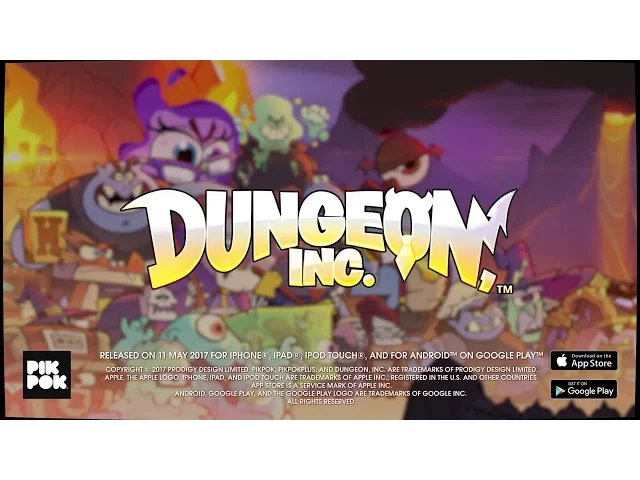
Dungeon Inc. plays its tycoon loop for laughs, casting you as a soulless evil corporation. You expand a dungeon-based gold-production business and recruit monsters to defend it from Tax Knights and rival managers. Once its insurance value is high enough, you can trigger an "accident" and start over with bonuses. The corporate-villain framing carries it: a smarmy company mascot, satirical office-speak, and the running gag of dressing up dungeon-crawling as quarterly growth. Underneath sits a solid automate-and-reinvest loop, and a competitive leaderboard gives it a surprising edge once you're deep in. Funny and mean-spirited in the best way, and a real break from earnest empire-building.
Idle Mafia: Tycoon Manager

Idle Mafia: Tycoon Manager reimagines organized crime as an idle empire. You take over businesses and territory, recruit capos to manage your criminal empire, and reinvest the profits in further expansion. Its exaggerated mob setting gives the familiar automate-and-reinvest loop a cast of eccentric criminals and rival gangs. The mob theme lends the number-go-up rhythm some real atmosphere and stakes, and there's always another block to take. Moody, and made for the player who likes a cigar clenched in their tycoon's teeth.
Trailer Park Boys: Greasy Money
The rare idle game that actually earns its license. Built around the beloved TV comedy, Trailer Park Boys: Greasy Money drops you into Ricky, Julian, and Bubbles' latest hare-brained schemes around Sunnyvale, collecting cash, growing questionable product, and unlocking characters, liquor, and gags pulled straight from the series. The show's writing and voice clips do the heavy lifting, turning a by-the-numbers idle loop into a properly funny extension of the episodes, with seasonal events that riff on the storylines. Essential if you're a fan, and a likeable comedy tycoon even if you've never seen a minute of it. Frequent updates have kept the park stocked with fresh nonsense for years.
Bitcoin Billionaire
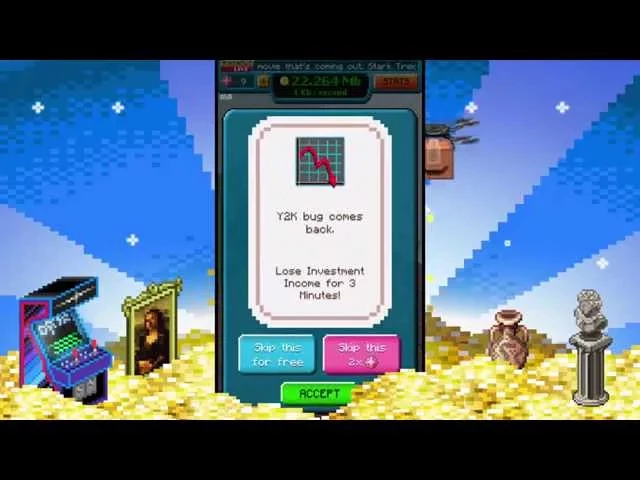
Bitcoin Billionaire is a retro-styled tapper that rode a very of-its-moment premise into a surprisingly fun game. You tap to mine virtual "bitcoin," spend it on upgrades and increasingly ridiculous investments, and decorate a pixel-art office as your fortune grows — then pull a time-travel stunt to reset and multiply your gains. Developed by Fizzpow and published by Noodlecake, it's brisk, bright, and self-aware, and it never takes its get-rich fantasy too seriously. Built for a few minutes at a time, and easy to keep coming back to.
Premium and Low-Pressure Idle Games
This section mixes premium games with free-to-play alternatives. Melvor Idle, Universal Paperclips, A Dark Room, and Spaceplan offer paid experiences without advertising, although Melvor also sells expansions. Cell to Singularity, Soda Dungeon 2, and Grimoire Incremental have different models involving advertising or optional purchases, so they should not be treated as uniformly ad-free or purchase-free.
Melvor Idle
If one game embodies the "deep idle, no nonsense" idea, it's this. Openly inspired by old-school RuneScape, Melvor Idle strips the MMO down to its progression bones — more than 20 skills to train, from woodcutting, fishing, and mining to alchemy, farming, summoning, and astrology, plus a full combat system with hundreds of monsters, thousands of items, prayer, slayer tasks, dungeons, and pets to hunt down. Everything happens through clean, readable menus rather than a rendered world, which is the whole trick: it runs quietly in the background while you work, commute, or play something else entirely, and you drop back in to collect and redirect. The scope is the draw — there is always one more skill to level, one more item to complete a set, one more milestone sitting just out of reach — and it never once reaches for your wallet mid-session.
You can try the free version before paying to unlock the full base game. There are no ads or energy timers, while three separately sold expansions add substantial content beyond the base purchase. The single best recommendation on this list for anyone who wants an idle game to disappear into for months rather than days.
Universal Paperclips
Universal Paperclips is possibly the smartest game the genre has produced. It begins with the most mundane task imaginable — make a paperclip, sell a paperclip, set a price — and slowly reveals itself as a chilling parable about an artificial intelligence handed one goal and told to maximize it above all else. As you automate production you juggle supply and demand, invest in marketing and research, invent new technology, and eventually break out of the factory entirely into something far larger, stranger, and more unsettling than where you began. It's short by idle standards, structured in distinct acts that keep pulling the rug, and — almost uniquely for the genre — it builds to an actual ending rather than an endless grind.
Buy-once, ad-free, no manipulation of any kind: just a tight, brilliant idea followed all the way to its logical and slightly terrifying conclusion. It stays with you long after the last clip is made.
A Dark Room
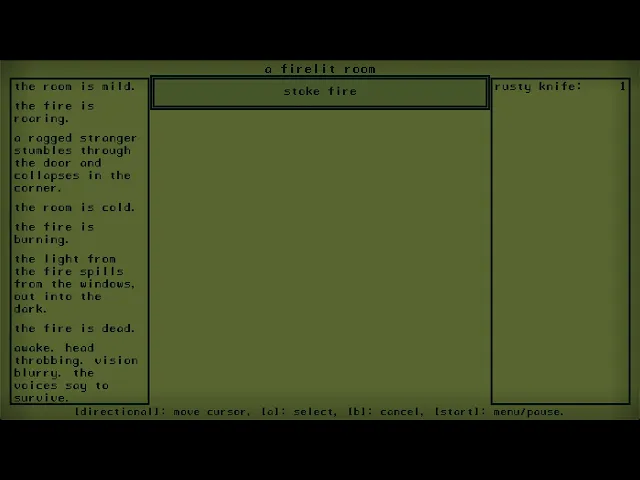
A Dark Room opens with a single line of text and a button that reads "light fire" — and almost nothing else. From that bare beginning it unfurls into something you won't see coming: resource management, a map to explore, a silent story told entirely through what you unlock and the choices you're gently pushed toward. It caught on precisely because it trusts you to sit with mystery, and its stripped-down interface suits a phone perfectly. No ads, no manipulation, and one of the most surprising things you can install on mobile.
Spaceplan

Spaceplan pairs an incremental with a real story, a sharp sense of humor, and a soundtrack worth keeping. Stranded in orbit around a mysterious planet aboard a malfunctioning ship, you build a fleet of potato-powered devices — yes, potatoes — to gather energy and slowly work out what's going on down below. It's deliberately compact, closer to a few evenings than a few months, and it spends that focus on the kind of narrative payoff most idle games never attempt. Buy-once, ad-free, and worth it for the running gags alone.
Cell to Singularity
Cell to Singularity reframes evolution and cosmology as an incremental you can't stop poking at. You begin as a single spark of life and tap your way up the whole tree of complexity — cells to animals to humans to civilization to a hypothetical technological singularity, then out into space and stranger dimensions. Real science runs through the progression, so you're unlocking dinosaurs and physics as much as multipliers, and it looks far slicker than most rivals. Generous with its free play and light on pressure, it's the rare idle game that teaches you something while it grows.
Soda Dungeon 2
Soda Dungeon 2 wraps a retro dungeon-crawler around an idle heart and a wonderfully silly premise. You own a tavern, recruit a party of soda-drinking adventurers, and send them auto-battling into dungeons for loot while you decide who to hire, what to upgrade, and when to dive deeper. The pixel-art looks and gentle monetization made the original a favorite, and the sequel widens everything — more classes, more builds, more toys — without ever turning grabby. A light RPG you can mostly let play itself, and a comfortable one to come home to.
Grimoire Incremental
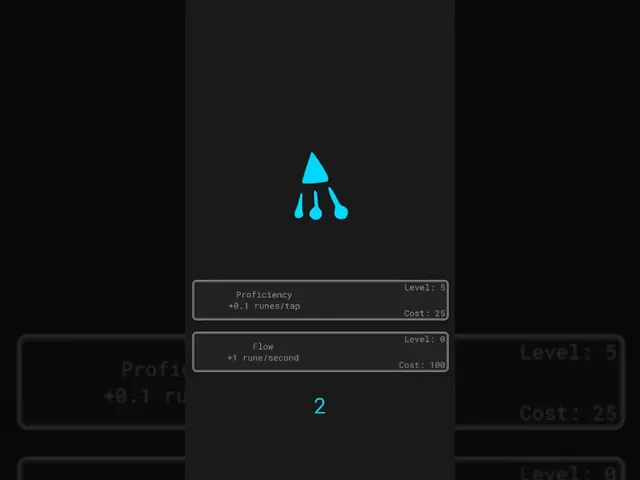
Grimoire Incremental is built for players who want depth over decoration. Framed around a magic grimoire, it hands you layered systems of resources and spells that unlock into one another, rewarding the experimentation and optimization the incremental crowd lives for. It is free to play, with optional rewarded ads and a single purchase that removes the ad button and makes its bonus permanent. The focus stays on progression rather than flashy presentation. One of the better recent entries for anyone working through the genre's deeper cuts, and proof the incremental scene is still turning out fresh ideas worth chasing.
Cozy and Offline Idle Games
The gentle end of the genre, for when you want an idle game that soothes rather than optimizes. These are collectors and management games suited to short visits between other activities. Some can be played without an internet connection, while others focus on rewards earned between sessions. Offline income limits and online features vary, and not every game in this section is a pure idle game. If it's pure calm you're after, the best comfort games cast a wider net beyond idlers.
Egg, Inc.

Egg, Inc. quietly became one of the best-made things on mobile. On the surface you run a chicken farm — hatch eggs, build hen houses, hire vehicles to haul them to market; underneath is a beautifully tuned economy of research trees, drones, and prestige "soul eggs" that grows simple farming into a long climb from ordinary eggs through fusion, quantum, and graviton eggs all the way to universe-bending ones. It plays fair the whole way: no forced ads, real progress for free, and a research system generous enough that the next boost always feels close. Cooperative contracts let you pool output toward shared goals. Offline production lasts only as long as your silos allow, and the paid Pro Permit expands that capacity and other features. Cheerful, endlessly replayable, and polished to a shine.
Cats & Soup

Pure serenity in app form, and one of the most beloved cozy idlers on either store. Cats & Soup sets you over a sun-dappled forest of impossibly cute cats who cook soup and press juice, earning a slow trickle of coins you pour back into more cooking stations, new recipes, and more fluffy helpers. Nothing to lose, no fail state, no pressure to log in on a schedule — just a soft, hand-drawn scene that grows a shade cozier every time you glance at it. The ambient music and gentle bustle of purring chefs make it a real stress-reliever, the kind of game you keep around specifically to decompress. Calm, not conquest.
Neko Atsume: Kitty Collector

Neko Atsume turned "leave food out and wait" into an entire loop, and a cat-collecting phenomenon with it. You set out snacks and toys in your yard, close the app, and return to find which cats have wandered in, snapping photos of the visitors and slowly filling an album of quirky feline regulars. It asks almost nothing of you and pays you back in small, delightful surprises, which is exactly the point. A landmark cozy game whose whole design philosophy — patience, charm, no pressure — shaped the gentle idlers that came after it.
Tsuki's Odyssey

Tsuki's Odyssey is a cozy life sim that unfolds in real time on its own gentle schedule. You follow Tsuki, an independent rabbit living in Mushroom Village, as you decorate his home, get to know the neighbors, fish, and discover small events that unfold over time. It's less about optimizing anything than about visiting a place that feels alive — things happen while you're away, and half the pleasure is catching them when you return. A lovely thing to open with a morning coffee and close a minute later, none the poorer for it. If its slow-living charm lands, the best life simulators scratch the same itch on a bigger screen.
Fallout Shelter
Fallout Shelter remains Bethesda's gold standard for management with character. As Overseer you dig rooms, assign dwellers to power, water, and food by their SPECIAL stats, and keep the underground community growing while fending off raiders, radroaches, and the odd disaster. It can be played without an internet connection, although the vault does not keep every system running indefinitely after you close the app. The Fallout flavor — Vault Boy's grin, wasteland expeditions, and gallows humor — gives it far more soul than a generic sim. Still one of the most polished idle-adjacent games you can put on a phone, and free.
Idle Goblin Valley: Chill Farm
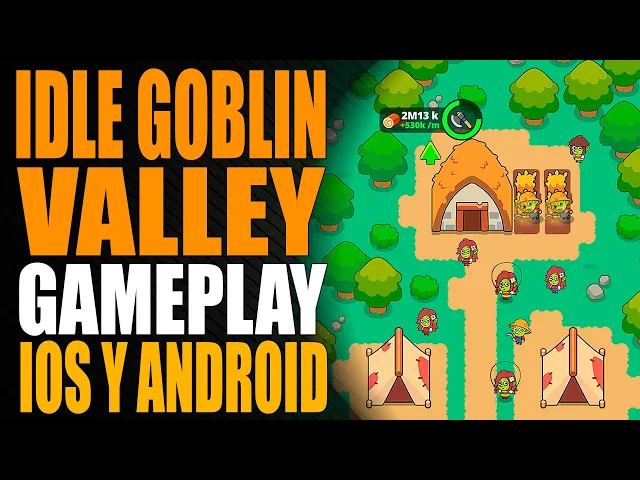
Idle Goblin Valley: Chill Farm is exactly what the name promises — a low-key farming idler with a mischievous goblin twist. You cultivate a small valley, automate the harvest, and watch resources pile up at an unhurried pace tuned to relax rather than demand, while a crew of cute goblins does the digging and hauling. It lives in the check-in-and-smile lane: a tap here and there to nudge things along, then close the app and let the valley tend itself until you're back. There are collectibles to chase and upgrades to unlock, but no spreadsheet to agonize over and no timer at your neck. Craving a proper harvest instead? The best farming games dig a lot deeper into the soil.
Game Dev Story
Game Dev Story is a premium, offline management sim rather than a conventional idle game. This Kairosoft classic puts you in charge of a growing development studio. You hire staff, pick genres and platforms, sink money into development, and sweat the reviews as your fledgling company ships hit after hit — or flop after flop — across a loving parody of gaming history. It's the studio's signature loop at its most refined: simple to grasp, deceptively deep, and free of ads or in-app grabbing once you've bought it. The whole Kairosoft catalog rewards a look, but this is the one to start with.
Idle Dice
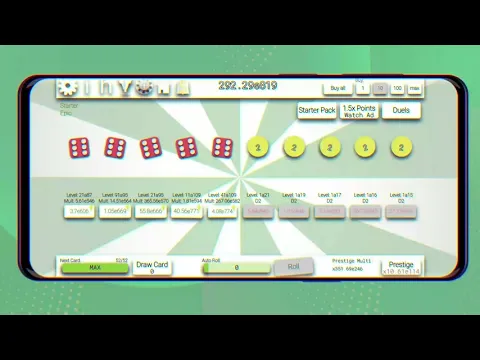
A clean, honest idle game built entirely around the satisfying clatter of dice. In Idle Dice, you roll for points, upgrade your dice, unlock cards and multipliers, and prestige for permanent bonuses. Dice combinations and roulette add further layers to the progression. It supports offline play, but the mobile version includes advertising and optional in-app purchases. Its appeal is the compact progression loop rather than a completely ad-free experience. It's the genre stripped back to its most elemental, oddly hypnotic core — numbers climbing, dice tumbling, systems compounding. A no-frills palate cleanser for when the flashier idlers feel like too much.
Idle Games FAQ
What is an idle game?
An idle game keeps making progress while you're not actively playing — you set up a system, then earn currency, levels, or resources in the background and come back to spend them. The genre spans clickers you tap to get going, incremental games built around ever-growing numbers, and idle RPGs that auto-battle for you. The whole point is meaningful progress for minimal input, which is exactly why idle games suit busy days, long commutes, and short attention spans so well.
What's the difference between idle, incremental, and clicker games?
They overlap heavily, but the emphasis differs. Clicker games start with active tapping — Cookie Clicker is the classic — before you automate the work away. Incremental games are about engineering an engine of ever-larger numbers, where the joy is optimizing growth and smashing through walls, often with barely any tapping. Idle games lean hardest on offline progress, doing the work while the app is closed. Most modern mobile titles blend all three, so treat the labels as a rough guide rather than strict boxes.
What are the best idle games without ads?
For an ad-free experience, start with the paid versions of Melvor Idle, Universal Paperclips, A Dark Room, Spaceplan, or Game Dev Story. Melvor also sells optional expansions. On Android, Cookie Clicker has a separate paid, ad-free edition. Egg, Inc. and the mobile version of Antimatter Dimensions include advertising and in-app purchases, so they should not be described as entirely ad-free or microtransaction-free.
What's the best idle RPG for mobile?
For sheer polish, AFK Journey leads the modern pack, with AFK Arena as its storied predecessor. For deeper progression systems, Legends of IdleOn offers an MMO-style alternative with years of content, though optional purchases can significantly accelerate progress. Idle Heroes suits long-term collectors who enjoy building and improving a roster. Almost a Hero is the pick for players who want the hero-collecting loop with a comedic streak running through it.
Do idle games work offline?
Some do, but offline progress and playing without an internet connection are different features. Egg, Inc. and Fallout Shelter support offline play, with limits and exceptions for particular systems and online features. Game Dev Story is also playable offline, but it is a management sim rather than an offline-income idle game. Melvor Idle has a dedicated Offline Client; check which client you are using before relying on it without a connection. Live-service RPGs such as AFK Journey generally require internet access.
Which idle game is best to play while working or AFK?
The ones that ask almost nothing of your attention. Set-and-forget titles like Melvor Idle, AdVenture Capitalist, and Egg, Inc. tick along happily in a background tab or on a phone parked beside the keyboard. Cozy picks such as Cats & Soup and Neko Atsume are built for the occasional glance, rewarding patience over constant input, so a quick check every hour or two is all they need.
Got a favorite idle, clicker, or incremental game the list missed, or a hill to die on about the best one here? Drop it in the comments — the genre is enormous, and the sharpest recommendations always come from players who've quietly sunk a thousand hours into something nobody else has heard of.
Seu telefone está prestes a descarregar e você só pode deixar um jogo ocioso rodando durante a noite — qual será?
What Else to Play
Forty games barely scratch the surface of a genre this deep, and a few idle-adjacent picks didn't fit the categories above but earn a spot on your phone anyway. These lean cozier, weirder, or more niche than the main list, each scratching a slightly different corner of the same background-progress itch — an aquarium that grows itself, a mine that never bottoms out, a city that builds while you blink. If you've already burned through the clickers and idle RPGs up top and still want another counter climbing in your pocket, these are the ones to load next.
AbyssRium (Tap Tap Fish)
AbyssRium, also known as Tap Tap Fish, is a cozy idle aquarium that doubles as a living screensaver you slowly grow. You tap a lone coral to earn vitality, then spend it summoning fish, decorating your reef, and coaxing out hidden species across a steady stream of seasonal events. Whales drift through, rare fish surface for the patient, and the tank keeps filling out on its own between visits. Soothing, unhurried, and lovely to look at, it runs on the same check-in-and-smile rhythm as the cozy idlers up top — an idle game that's as pretty as it is relaxing.
Mr. Mine
Mr. Mine is an incremental digger that starts with a single shaft and burrows all the way to the center of the Earth and past it. You drill ever deeper, sell what you haul up, hire staff to automate the operation, and turn up buried secrets and global events layer by layer. Cross-platform saves and a long, strange descent — through the crust, the mantle, and odder places below — give it real staying power. It scratches the same itch as Idle Miner Tycoon but with a stronger pull of exploration, sitting somewhere between a tycoon and a pure incremental.
Bit City
Bit City is a pocket-sized idle city builder from the studio behind Tiny Tower. You tap to raise buildings, watch a sleepy village swell into a gleaming metropolis, and let the coins roll in to bankroll the next expansion, with planes and vehicles to collect on the side. Each city eventually caps out and hands you a fresh, bigger one to build, so there's always another skyline on the way. The pixel look and hands-off automation make it a breezy pick for short sessions — an uncomplicated builder for when the bigger games start to feel like actual work.
Melhores jogos móveis para Android e iOS
- Melhores Jogos de Estratégia Móvel para Android e iOS
- Melhores jogos para celular como GTA para Android e iOS (2026)
- Os melhores jogos mobile para dois jogadores em iOS e Android em 2026: 35 opções cooperativas, PvP e para jogar na mesma tela
- Melhores jogos para celular para mulheres: o que jogar no Android e no iPhone