
Revisão da Diretiva 8020. É realmente a melhor entrada em The Dark Pictures?
7.3 Evgenia Zavyalova
Um grupo de cientistas e especialistas está realizando uma missão de pesquisa crítica. De repente, eles encontram uma entidade alienígena capaz de mimetizar — copiando perfeitamente a aparência humana. Assumindo a forma de membros da tripulação, a criatura começa a matá-los um por um, enquanto os sobreviventes mergulham na paranoia: “Qual dos colegas que conheço há meses ainda é humano, e qual não é mais? E há alguma maneira de parar essa coisa?”
Fãs de horror sci-fi reconhecerão instantaneamente a premissa: isso é basicamente The Thing, o clássico de John Carpenter de 1982. Ao longo dos anos, o filme sobre um grupo de pesquisadores enfrentando um monstro alienígena na Antártica se tornou icônico não apenas como um filme de terror, mas também como um drama psicológico.
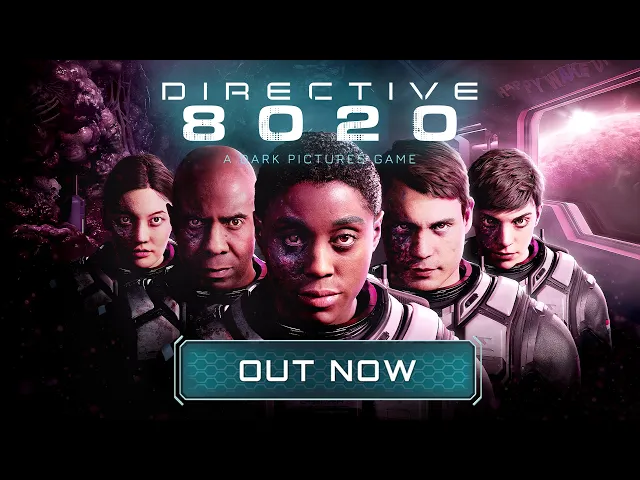
E agora, em 2026, recebemos uma espécie de reinterpretação dessa história em Directive 8020, a mais nova edição da Antologia The Dark Pictures. Só que desta vez, em vez de uma estação de pesquisa na Antártica, o cenário é a nave espacial Cassiopeia, explorando a distante constelação de Cetus. Alguns jogadores e críticos criticaram duramente Directive 8020, inclusive por seu preço elevado, enquanto outros já o chamam de melhor jogo da série. Então, vamos analisar. Pegue um pouco de pipoca — temos cinema interativo em nossas mãos.
Plataforma: PC (Ryzen 7 8700F, NVIDIA RTX 5060 Ti, 32 GB RAM);
Tempo de jogo: 8 horas.
Requisitos do Sistema
Mínimo: Intel Core i5-8500, 16 GB RAM, GeForce RTX 2060 / Radeon RX 5700, 40 GB SSD
Recomendado: Intel Core i5-12400F / AMD Ryzen 5 5600X, 16 GB RAM, GeForce RTX 3070 Ti / Radeon RX 6800, 40 GB SSD
O que há de Novo no Jogo
Não estamos mencionando The Thing para acusar os desenvolvedores da Supermassive Games de plágio. Tirar inspiração de lendas urbanas e enredos familiares de filmes B de terror sempre foi uma das características definidoras de The Dark Pictures. A abertura de Man of Medan, por exemplo, se assemelha fortemente a Ghost Ship, Little Hope se inspirou em histórias de feitiçaria, enquanto The Devil in Me foi baseado nos crimes do serial killer H. H. Holmes. Desta vez, a Supermassive Games recorreu a um cenário de ficção científica, misturando motivos de The Thing, a franquia Alien, Solaris, Prometheus e Event Horizon em Directive 8020.

Directive 8020 é o capítulo de abertura da Temporada Dois de The Dark Pictures e, no geral, o quinto jogo da antologia. Toda a série pode ser essencialmente vista como a tentativa da Supermassive Games de recriar o sucesso de Until Dawn — o surpreendente sucesso de 2015 que foi bem recebido tanto por críticos quanto por jogadores. Until Dawn, que capturou com sucesso os temas, imagens e atmosfera dos filmes de slasher adolescentes, acabou definindo a direção do estúdio: horror cinematográfico interativo. Até hoje, The Dark Pictures ainda repousa sobre os mesmos três pilares estabelecidos lá — interatividade, escolhas significativas com consequências e QTEs.
Ainda há muita interatividade em Directive 8020. O jogo consiste em grande parte de cenas cortadas bem dirigidas — embora, admitidamente, um pouco excessivas em closes — misturadas com seções de jogabilidade mais ativas que envolvem caminhada, corridas ocasionais, furtividade, quebra-cabeças simples e comandos de botão. A tomada de decisões e a familiar mecânica do efeito borboleta, onde eventos futuros dependem de escolhas anteriores, ainda estão totalmente intactas. E, como sempre, as cenas de ação relativamente escassas dependem fortemente de reflexos rápidos e entradas de QTE no momento certo.

Portanto, as tradições da série ainda estão lá — mas o que exatamente Directive 8020 adiciona à fórmula? Primeiro, há o cenário espacial mencionado anteriormente. Os ambientes são lindamente projetados e, às vezes, você pode até sentir um leve traço de Dead Space na atmosfera (e se jogos aterrorizantes sobre vazios sem ar intermináveis são a sua praia, nossa lista dos melhores jogos espaciais tem uma seção inteira dedicada a eles). O jogo começa com dois protagonistas iniciais que, curiosamente, o jogador nunca retorna mais tarde, seguidos por oito personagens principais entre os quais a história muda constantemente.
Todos eles são membros da tripulação a bordo de uma nave espacial enviada para investigar o exoplaneta Tau Ceti f e determinar se ele poderia suportar a vida humana. O ano é 2065, e a humanidade conseguiu se empurrar para o limite da extinção — a Terra está em declínio, enquanto Marte, já colonizado, de alguma forma também foi destruído, o que é impressionante à sua maneira. A trama não visa exatamente a grandeza, mas também evita se tornar involuntariamente embaraçosa — ainda opera confortavelmente no nível de um filme B polido. A reviravolta obrigatória no final do jogo também está presente, e surpreendentemente, é menos previsível do que algumas das reviravoltas em entradas anteriores. Mais importante, ela muda a história para um conflito entre sobrevivência a qualquer custo e a preservação da humanidade.

Em segundo lugar, a jogabilidade introduz o novo Sistema de Destinos, que liga a sobrevivência dos personagens a relacionamentos de longo prazo entre os membros da tripulação, juntamente com a mecânica de Pontos de Virada — momentos-chave da história que podem ser replays para explorar resultados alternativos.
Em teoria, as forças clássicas da série combinadas com esses novos sistemas deveriam ter proporcionado uma experiência de horror sci-fi envolvente com uma narrativa ramificada, personagens memoráveis e escolhas morais difíceis.
O que os desenvolvedores realmente entregaram?
Ironicamente, os sistemas de jogabilidade principais neste jogo sobre "mímicos no espaço" acabam por ser mímicos eles mesmos — não exatamente o que os desenvolvedores apresentaram.

O primeiro desses mímicos é o já mencionado Sistema de Destinos, que deveria elevar o nível de interatividade ao ligar a sobrevivência dos personagens não apenas ao desempenho em QTE, mas também aos relacionamentos entre os membros da tripulação. Na realidade, porém, parece vazio. Sim, entender as consequências de suas escolhas — especialmente para jogadores familiarizados com as entradas anteriores da série — tornou-se mais fácil. Você não se encontra mais gritando para a tela: "Ei, isso é injusto, não era isso que eu queria dizer!" Mas Directive 8020 ainda falha em criar um investimento emocional genuíno — aquela sensação de que os destinos dos personagens realmente dependem de suas decisões e que você realmente gostaria de ver aonde essas escolhas levam. Nós testamos: existem apenas duas decisões genuinamente importantes no jogo que afetam significativamente o final. A maioria das escolhas restantes são secundárias e nem sempre levam a consequências fatais para os personagens.
Um personagem morre? Sem problemas — outro membro da equipe simplesmente assume seu lugar na cena seguinte. Aqui está outro exemplo: o jogo força você a escolher qual personagem salvar. Naturalmente, você espera que aquele que você sacrifica morra imediatamente — o que, cínico que possa parecer, é completamente normal para esta série — ou que sobreviva e depois se lembre do que você fez. Talvez se recuse a salvá-lo em troca quando as coisas ficarem ruins. Isso pelo menos pareceria uma justiça cruel, mas adequada. Mas não — o personagem sobrevive, e a decisão mal tem repercussões significativas. Se você está interessado no gênero de filme interativo, pode conferir nossos melhores jogos com história que você não pode perder.

O que você considera uma variabilidade ideal em videogames?
O segundo modo é o Modo Explorador, disponível desde o início do jogo e permitindo que os jogadores retrocedam no tempo. Na prática, acaba sendo ainda pior do que a lama alienígena que consome os personagens — consome seu interesse na história em si. Uma das características definidoras de Until Dawn e dos jogos anteriores de Dark Pictures era a capacidade de fazer com que todos morressem — o que é mais difícil do que parece — ou salvar todo o elenco. O desafio não oficial de “manter todos vivos” forçou os jogadores a enxugar nervosamente o suor de suas testas enquanto pairavam sobre as opções de diálogo, rezando para que tivessem tomado a decisão correta e que o personagem sobrevivesse. Sim, os jogos às vezes enganavam você cruelmente apenas para rir no momento em que você perdeu um personagem e levantou as mãos em frustração. Mas essa tensão foi exatamente o que os tornou tão envolventes. Se você realmente se importava em salvar o grupo, jogava com total foco, plenamente ciente de que o jogo era implacável e não perdoaria erros.
Em comparação, o drama em Directive 8020 parece tão intenso quanto uma peça escolar. E isso não é realmente por causa de atuações fracas ou uma narrativa pobre — nenhum deles é um grande problema aqui. O problema é que o Modo Explorador torna o controle dos destinos dos personagens muito fácil. Em vez de ser um participante da história, o jogador se torna seu diretor. Você pode simplesmente voltar no tempo, como em certos jogos de corrida de arcade, e evitar a morte de um personagem. Não há necessidade de manter seu dedo nervosamente pairando sobre o botão em antecipação a um truque — você pode se acomodar confortavelmente no sofá. Se você falhar, sempre pode repetir a cena. A única verdadeira vantagem do Modo Explorador é a liberdade de ver desfechos alternativos, mas ao fazer isso, os desenvolvedores também tornam seu próprio jogo menos replayável. Não há razão para completar o jogo mais quatro vezes para ver finais diferentes quando você pode simplesmente voltar em cenas individuais.

Claro, você pode escolher o clássico Modo Sobrevivente e jogar sem voltar — o jogo essencialmente diz: “Se você não gosta de voltar, simplesmente não use.” Mas isso se torna uma questão de psicologia. Imagine alguém na vida real lhe entregando um botão de Modo Deus e dizendo: “Pressione isso e tudo fica mais fácil. Ou não pressione — sua escolha.” Então, se você é capaz de resistir ao Modo Explorador, é melhor fazê-lo. Idealmente, esse modo deveria ser desbloqueado apenas após a primeira jogada. Dessa forma, Directive 8020 poderia ter permanecido uma experiência imprevisível. A propósito, essa mesma mecânica também elimina quase totalmente o aspecto de horror: o jogo simplesmente não é assustador. Isso não é Alien: Isolation — mesmo sem voltar no tempo, você pode lutar contra o monstro e escapar (leitura relacionada: 10 Anos de Alien: Isolation: Revisitando o Melhor Jogo do Universo Alien).
O terceiro mimetismo é a jogabilidade furtiva. Foi claramente planejado para diversificar a experiência, mas em vez disso se tornou um dos maiores pontos de crítica do jogo. As mecânicas de jogabilidade são extremamente básicas, mesmo pelos padrões de filmes interativos: seções curtas de caminhada, puxar alavancas, rastejar por dutos de ventilação como Bruce Willis, e muita furtividade. E não é uma furtividade particularmente boa, também. É simplista — completa com “visão de águia” — e dolorosamente ultrapassada: os inimigos patrulham em círculos e repetem sem fim as mesmas poucas falas pré-gravadas. Então há a jogabilidade furtiva construída em torno da constante troca de baterias. Quando você terminar o jogo, provavelmente começará a carregar baterias sobressalentes no seu bolso, só para o caso de precisar se esconder de uma criatura alienígena (você pode encontrar os melhores jogos de horror furtivo em nossa lista dos melhores jogos de horror). QTEs foram sacrificados em nome da furtividade — agora há significativamente menos deles.

O que você mais não gosta nas mecânicas de stealth em videogames?
O que deu errado?
As coisas não têm ido particularmente bem para a Supermassive Games nos últimos anos. Until Dawn ainda permanece como a obra-prima do estúdio — o único sucesso que eles simplesmente não conseguiram replicar. Cada entrada na série The Dark Pictures foi criticada por roteiros medianos, atuações irregulares e deficiências técnicas. Infelizmente, Directive 8020 não é exceção. A qualidade dos projetos da Supermassive Games permanece firmemente média, sem gerar lucros substanciais. Como resultado, os fundadores do estúdio saíram em 2024, seguidos por uma onda de demissões em 2025.
Então, por que dar aos jogadores a capacidade de voltar no tempo logo de início? A resposta parece óbvia: para evitar que os jogadores fiquem frustrados e abandonem o jogo após perder um personagem devido a uma falha na pressão de botão. A Supermassive Games não pode mais se dar ao luxo de fazer jogos exclusivamente para fãs hardcore do gênero — o estúdio agora está mirando um público mais amplo e mainstream.

Lembra como em Man of Medan você poderia salvar toda a tripulação, apenas para perder um personagem no final porque falhou em um único QTE no último momento? Frustrante não chega nem perto de descrever isso (leitura relacionada: Avaliação: The Dark Pictures — Man of Medan). Como resultado, os desenvolvedores tornaram as falhas de QTE em Directive 8020 muito menos punitivas — os personagens agora podem sobreviver através de desfechos roteirizados.
E por que adicionar seções de furtividade? Para diversificar a jogabilidade na ausência de mecânicas mais interessantes. Foi visto e agarrado pelo monstro? O jogo ainda vai fácil com você: você pode simplesmente atordoar a criatura com um bastão elétrico e seguir em frente sem nem se preocupar em se esconder.

Juntas, todas essas informações levam a uma conclusão: a Supermassive Games precisava de um jogo “seguro” — um que não flopasse e gerasse lucro de forma confiável. Especialmente um capaz de cobrir altos custos de produção e salários de atores. Durante períodos difíceis, apenas pessoas imprudentes apostam tudo em estratégias arriscadas de tudo ou nada. A maioria escolhe a rota mais segura possível.
Desde Until Dawn, a equipe da Supermassive Games não avançou um centímetro — e em algumas áreas, pode-se argumentar que regrediu. O que é especialmente decepcionante é como The Dark Pictures se afastou de suas próprias características definidoras — imperfeitas que possam ter sido, ainda assim deram personalidade à série. O estúdio parece preso no gênero de filme interativo, que está em sério declínio desde que a Telltale colapsou. Enquanto isso, os preços continuam a subir, e convencer os jogadores a gastar $50 em um jogo de oito horas se torna mais difícil a cada ano.

Na nossa opinião, Directive 8020 não é a melhor entrada da série. Na verdade, além dos visuais, mal se destaca de seus predecessores. House of Ashes, por exemplo, lidou com seus personagens, história e escolhas principais de forma muito melhor, enquanto The Devil in Me ofereceu um componente multiplayer mais forte. Portanto, ficamos com uma conclusão bastante clichê: esperamos que o melhor jogo da Antologia The Dark Pictures ainda seja o próximo. Supondo que haja um próximo.
Mais artigos sobre o espaço
- Melhores Jogos Espaciais para PC: RPGs, Horror, Quebra-Cabeças e Estratégia
- Melhores Jogos Espaciais no PS4 e PS5: Exclusivos e Sucessos para PlayStation
- Dead Space 2 Completa 15 Anos — Um Olhar para Trás em Um dos Maiores Jogos de Ação e Horror de Todos os Tempos
- Conquistando a Lua na Realidade e nos Videogames — Por Ocasião do Lançamento da Artemis 2
- As Melhores Filmes Espaciais: TOP 15 Filmes que Todos Devem Assistir
- Top 30 Melhores Jogos Espaciais com Enredo para PC